Knowledge base
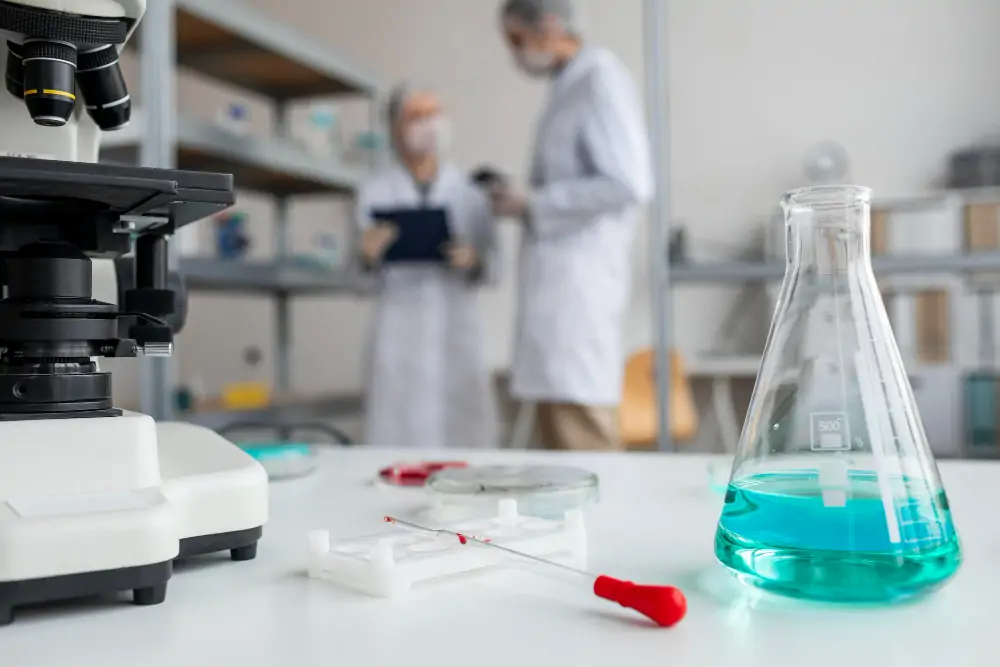
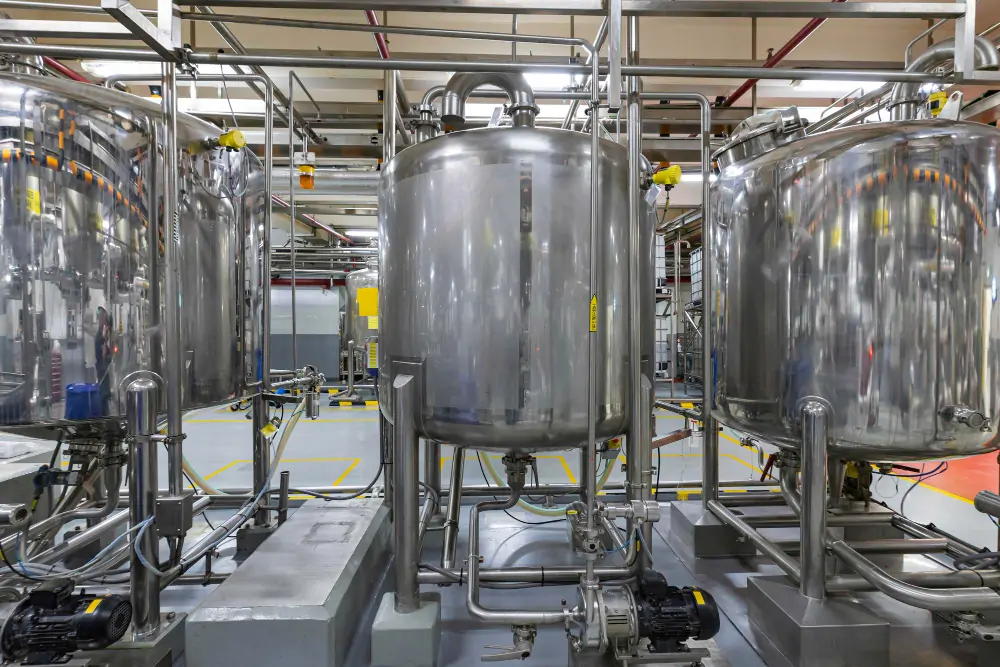
Knowledge of microbiology, biofilms and process safety
Practical materials for industries where microbiological safety has a direct impact on quality, production, and biosecurity. Analyses, technologies, procedures, and real-world problems of water systems, surfaces, and production environments.
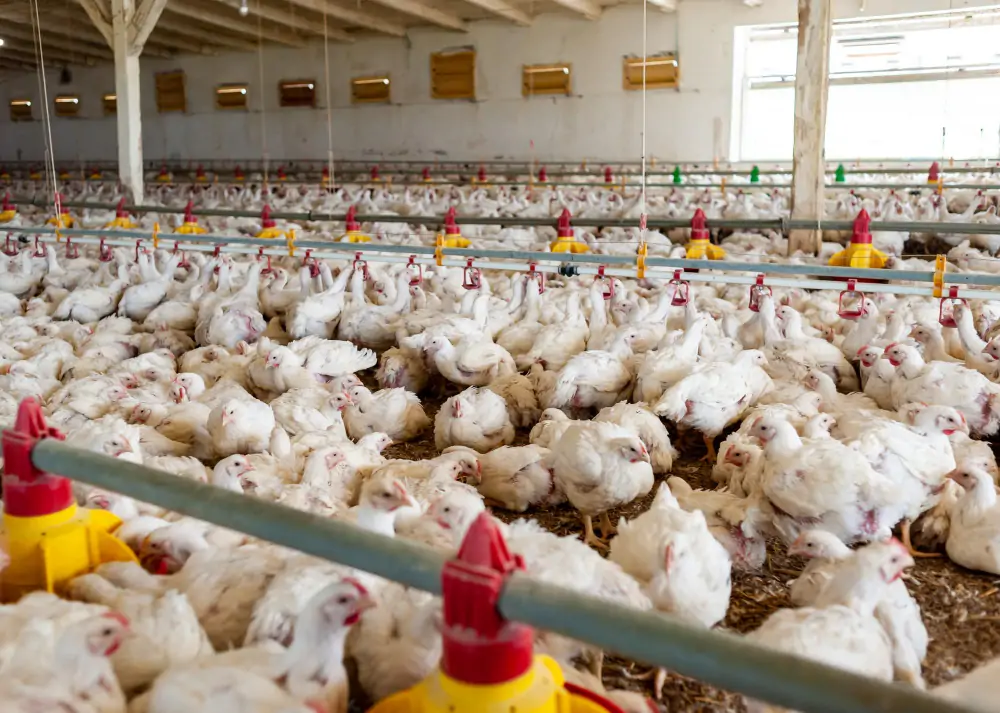
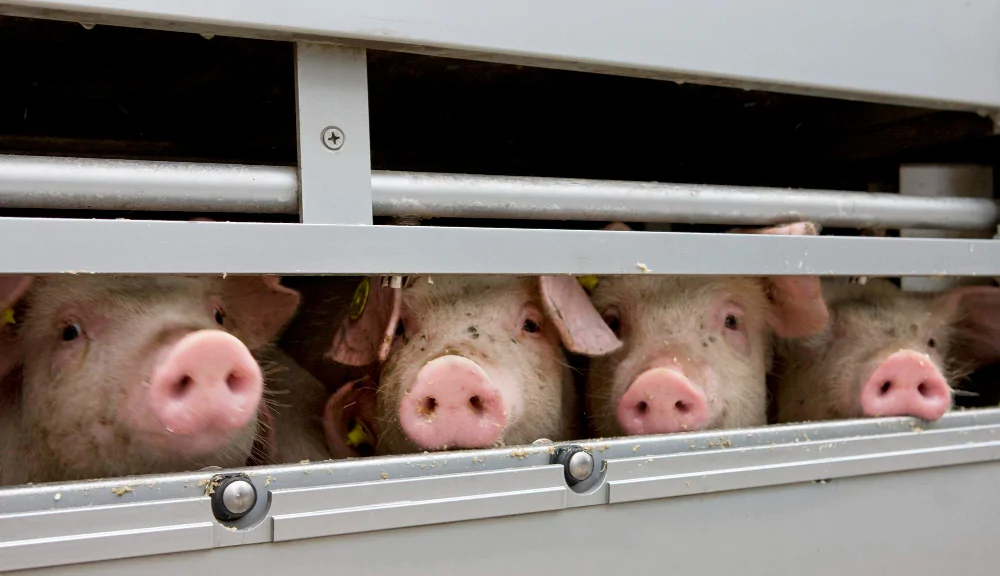
Animal welfare is becoming one of the most important directions of change in modern animal production. New regulations, market expectations, and growing consumer awareness mean that farming is increasingly focusing not only on production efficiency but also on the health, living conditions, and biosecurity of animals.
Microbiological safety is one of the most important elements of modern food production and animal husbandry today.
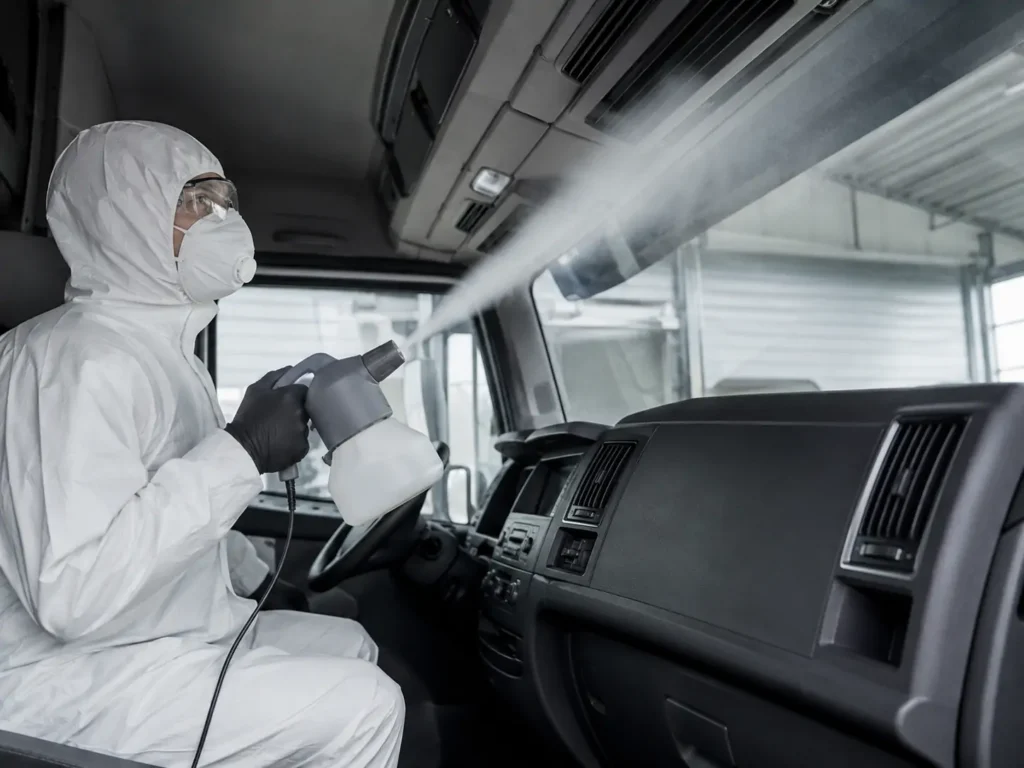
In many facilities, disinfection is carried out regularly, yet microbiological problems continue to reoccur.
Recurring contamination, deterioration of water quality, biofilm, or sanitary problems very often do not result from a lack of disinfection measures – but from their limited effectiveness.

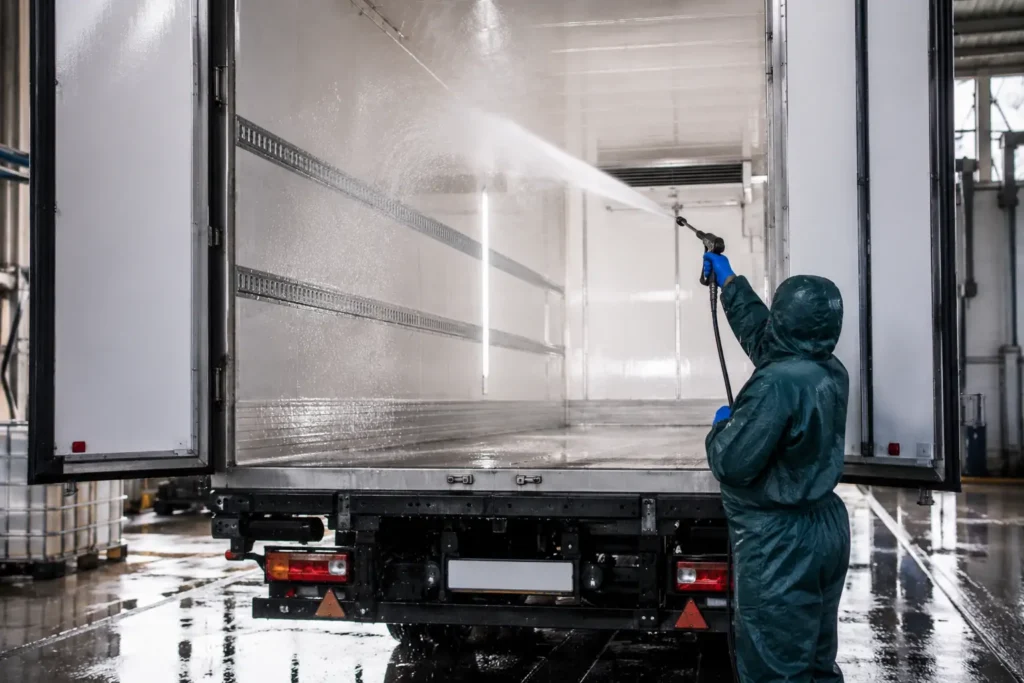
Professional water sanitisation is significantly more than a one-off flushing of the system or standard disinfection.
It is a controlled technological process, the aim of which is the effective elimination of biofilm, the reduction of microbiological hazards, and the restoration of stable working conditions for the entire system.
Professional water sanitisation is significantly more than a one-off flushing of the system or standard disinfection.
It is a controlled technological process, the aim of which is the effective elimination of biofilm, the reduction of microbiological hazards, and the restoration of stable working conditions for the entire system.
Biofilms can develop inside installations for a long time, remaining invisible despite seemingly clean water and correct visual system parameters. It is this biofilm that is very often responsible for recurring microbiological problems, secondary contamination, and reduced safety of technological processes.