
The changes today include both national and EU regulations, as well as retail network requirements, export quality standards, and biosecurity procedures.
What regulations and trends will have the biggest impact on the future of animal production?
Wellbeing is ceasing to be just an „add-on”
Just a few years ago, wellbeing was often treated primarily as an image-building element or an additional quality standard.
Today it is becoming one of the key areas influencing:
- The possibility of selling products,
- cooperation with retail chains,
- export,
- Biosafety,
- assessment of the modernity of the farm.
Increasingly, customers are expecting confirmation that production is taking place:
- under controlled conditions,
- with limitation of animal stress,
- whilst maintaining high hygiene standards,
- with the appropriate level of biosecurity.
Which areas of regulation are changing the fastest?
The biggest changes currently concern:
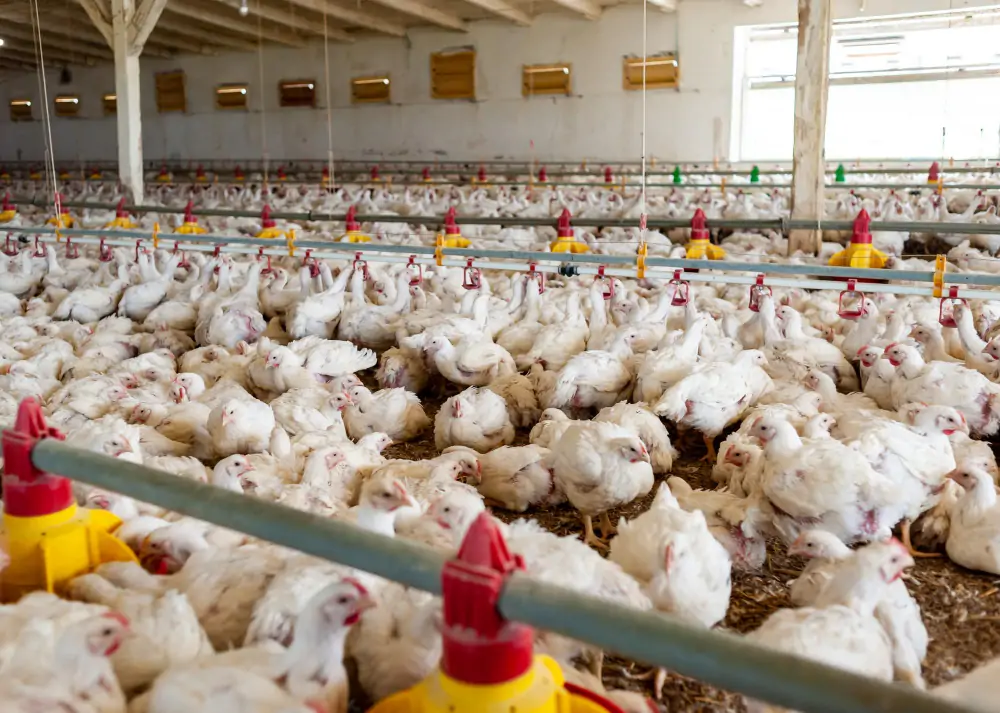
- conditions for keeping animals,
- reducing density,
- of the quality of the breeding environment,
- access to water and feed,
- ventilation and air quality,
- animal transport,
- use of antibiotics,
- Farm biosecurity.
In practice, this means that modern farming is increasingly relying on:
- environmental controls,
- reducing microbiological risk,
- monitoring of maintenance conditions,
- preventative actions.
Growing importance of biosecurity
One of the most important directions of change is the increasing importance of biosecurity.
Modern regulations and standards increasingly require:
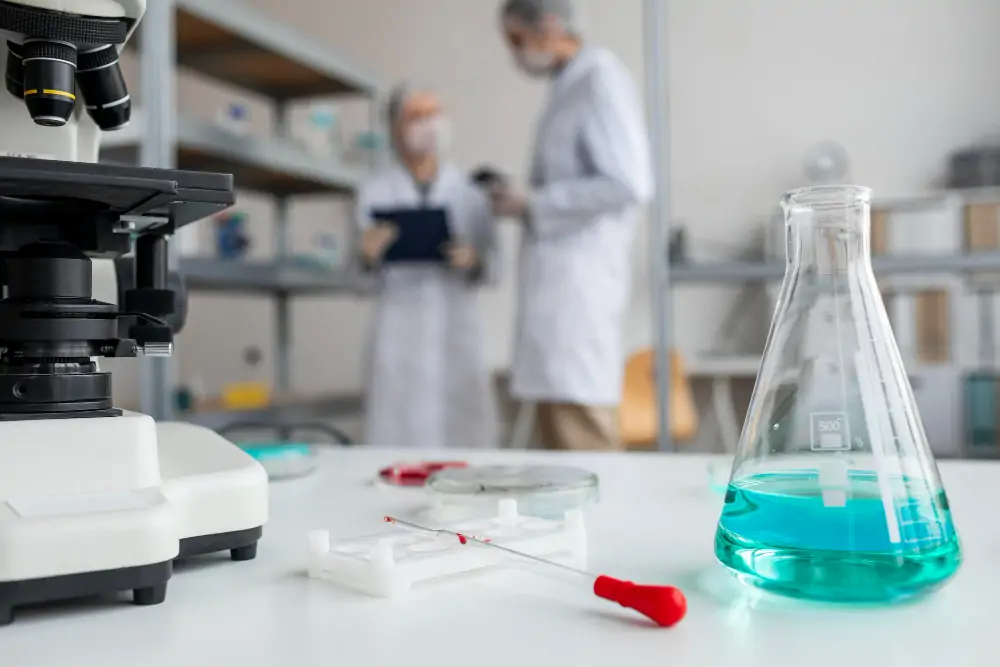
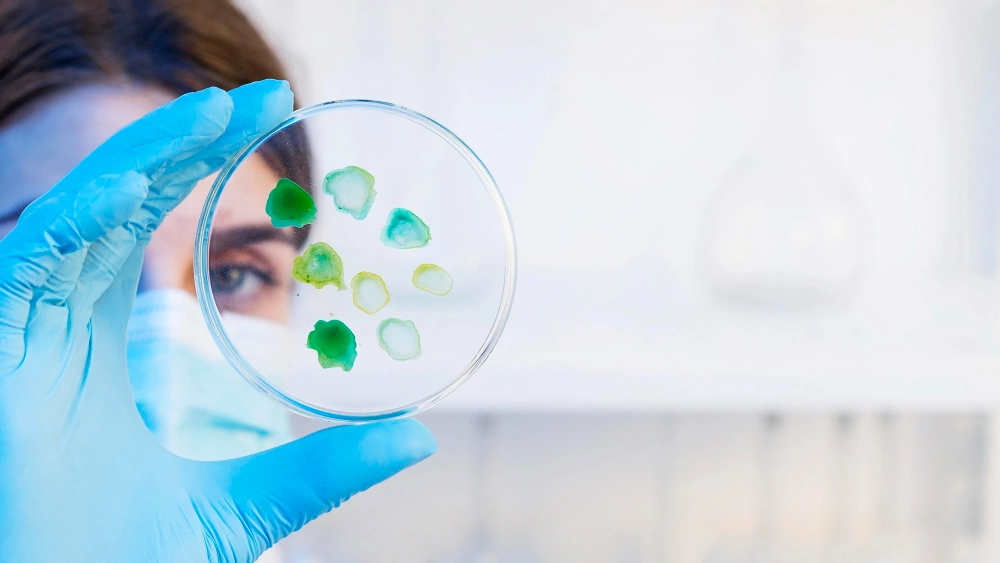
- effective microbiology control,
- limiting the risk of infections,
- disinfection of surfaces and spaces,
- water quality control,
- regular monitoring of the breeding environment.
This has a direct impact not only on production safety but also on animal welfare.
Unstable environmental microbiology can lead to:
- increase in biological stress,
- health problems,
- worsening of well-being,
- increased antibiotic consumption,
- a fall in production efficiency.
Restricting antibiotics is becoming a priority
Across Europe, there is increasing emphasis on limiting the prophylactic use of antibiotics in farming.
This means that farms must increasingly effectively:
- to limit the risk of infections,
- stabilise environmental conditions,
- improving water quality,
- strengthen biosecurity.
In practice, modern microbiology control is becoming one of the foundations for improving the welfare and safety of production.
Animal transport under increasing scrutiny
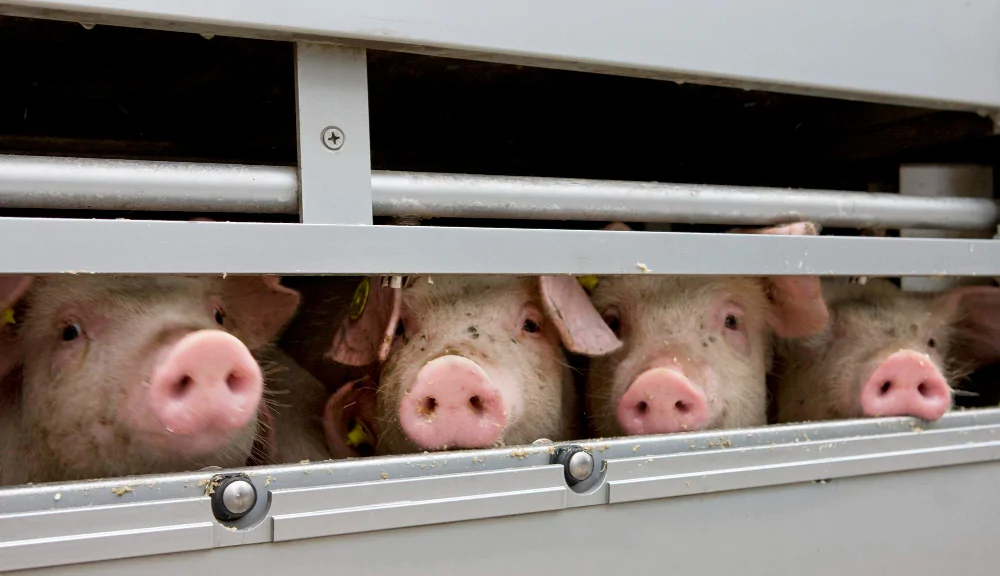
One of the most intensely analysed areas currently is the transport conditions for animals.
Discussions concern, among other things:
- transport time,
- temperatures,
- ventilation,
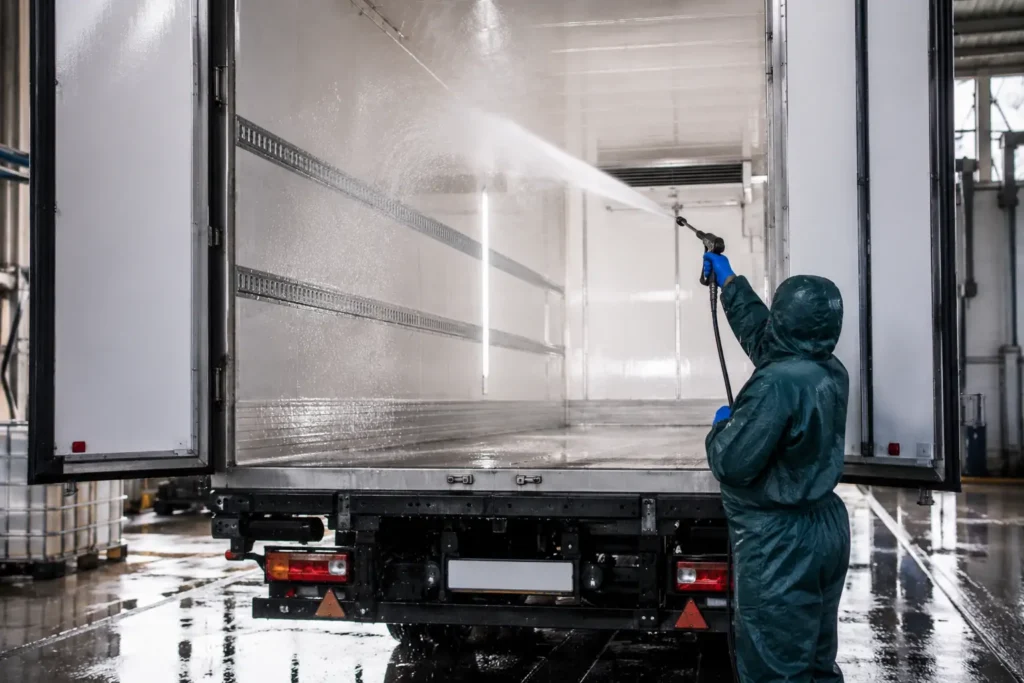
- of the sanitary conditions of vehicles,
- Thickening,
- Disinfection procedures.
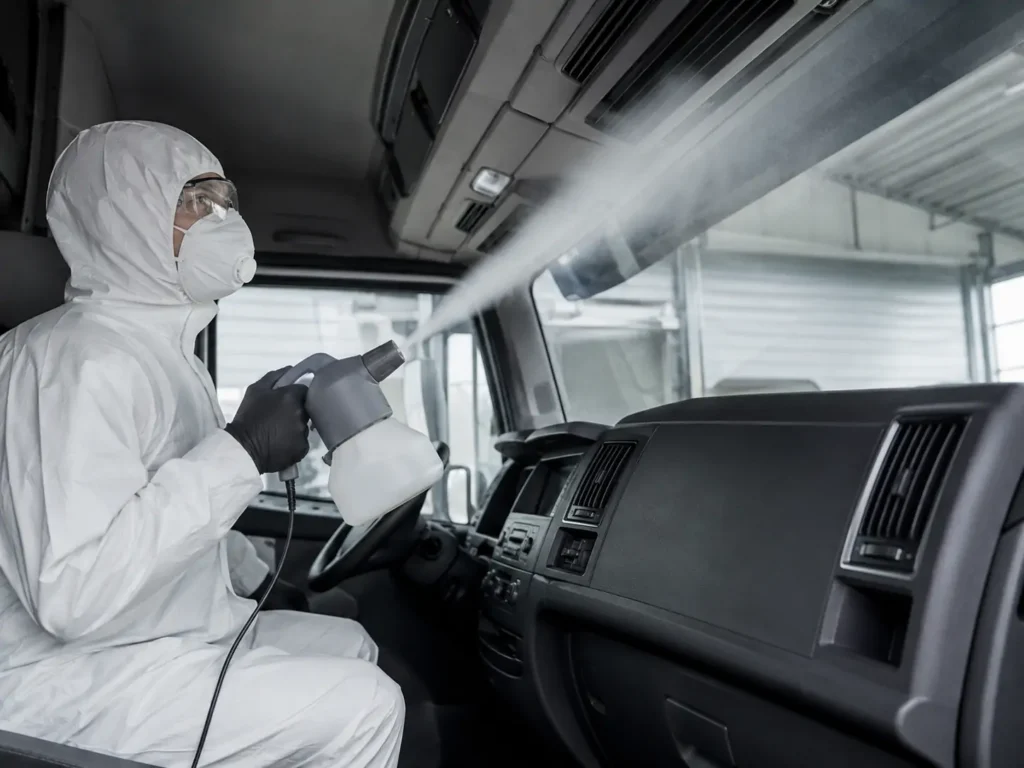
Limiting the risk of transmitting microorganisms between farms and production facilities is also becoming increasingly important.
This is why professional disinfection of transport and logistics spaces is becoming an important element of modern biosecurity.
Well-being is increasingly influencing the competitiveness of farms
Regulatory changes are not just about obligations. They are also about growing market demands.
Retail chains, export customers, and consumers increasingly expect:
- transparency of production,
- high standards of hygiene,
- antibiotic limitations,
- confirmations of appropriate animal keeping conditions.
In practice, this means that well-being is becoming an element that builds a competitive advantage for modern farms.
What will be most significant in the coming years?
The most important will be:
- effective biosecurity,
- environmental microbiology control,
- water quality,
- biofilm inhibition,
- monitoring of breeding conditions,
- transport safety,
- Preventative actions to limit the risk of infections.
These are the areas that will increasingly influence the assessment of the quality and safety of modern animal production.
The most important
Modern animal welfare:
- does not solely apply to the terms of maintenance,
- also covers environmental biosafety,
- microbiological control,
- water quality,
- infection control,
- stability of production conditions.
An increasing number of regulations and market requirements are focusing on these areas.
Summary
Animal welfare is becoming one of the most important directions of development in modern animal production. Regulatory changes are increasingly focusing on biosecurity, the quality of the breeding environment, and the reduction of microbiological risk.
In practice, this means that the future of modern farming will be based not only on production efficiency, but above all on conscious environmental control, biosecurity, and the safety of the entire process.