
So why, in practice, does standard disinfection often fail to solve the problem?
Disinfection does not always remove the source of the problem
In many cases, standard disinfection practices primarily focus on the surface-level reduction of microorganisms.
This means that:
- only a portion of the microorganisms are eliminated,
- the problem is temporarily contained,
- The source of contamination remains active within the installation or environment.
This most often concerns situations related to biofilms – a biological structure protecting microorganisms from the effects of standard disinfectants.

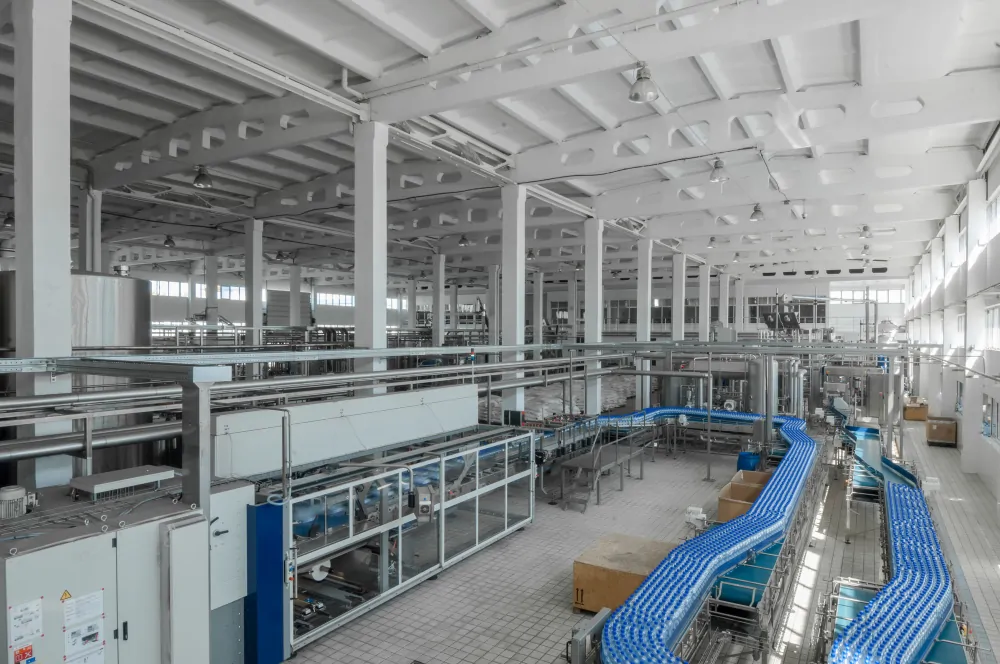
Biofilm effectively protects microorganisms
Biofilm is one of the main causes of ineffective disinfection.
Creates a developing protective layer
- inside the plumbing installation,
- on technological surfaces,
- in watering systems,
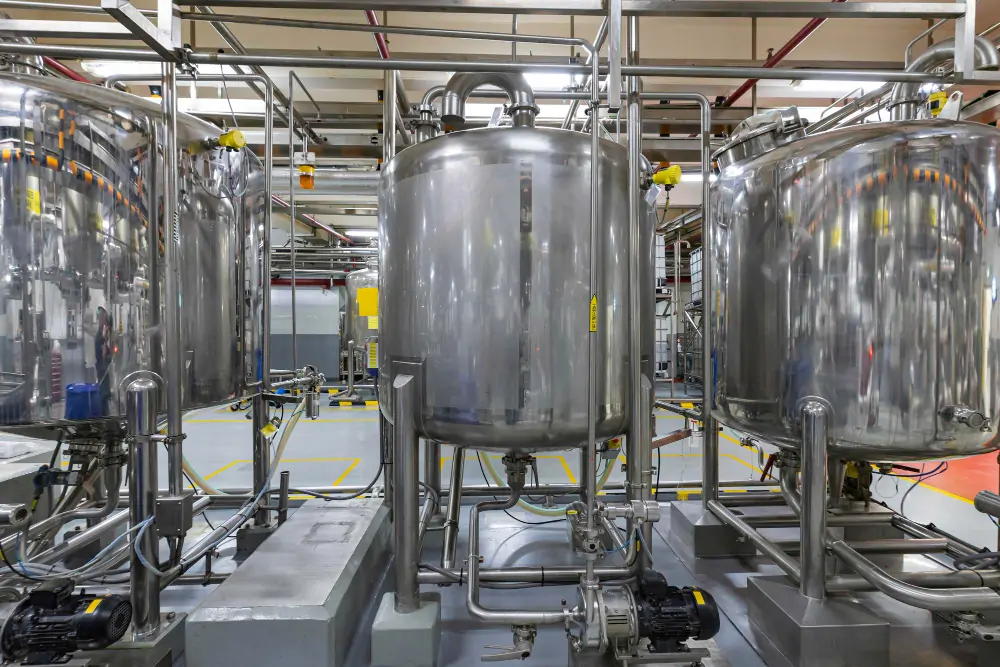
- production lines,
- CIP system,
- hard-to-reach infrastructure spaces.
Microorganisms within a biofilm are significantly less susceptible to standard disinfection processes.
In practice, this means that:
- The problem may return regularly.,
- contamination may cover further areas,
- the installation may remain microbiologically unstable despite regular sanitation measures.
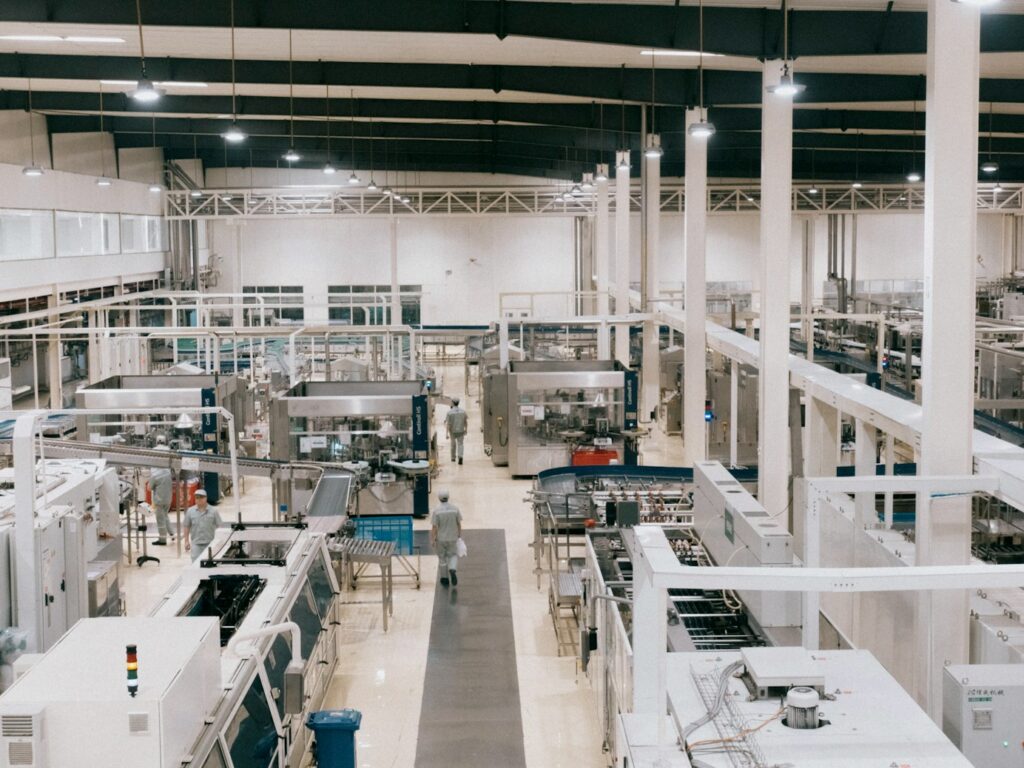
The problem often develops out of sight.
One of the biggest challenges is the fact that microbiological hazards often develop in places that are not visible during a standard inspection.
This concerns, among other things:
- pipe and system interiors,
- ventilation systems,
- tanks,
- structural elements,
- enclosed spaces,
- areas that hinder thorough cleaning.
The installation may appear correct from the outside, and yet active sources of contamination may persist within the system.
Standard methods often only work locally
In many facilities, disinfection is carried out manually or in a localised way, which limits the effectiveness of the entire process.
The problem is that standard methods:
- they don't always reach hard-to-reach places,
- may operate unevenly,
- do not cover the entire environment,
- often do not provide stable microbiology control.
As a result, microorganisms can very quickly restore their activity after the process has ended.
The disinfectant alone does not solve the problem
Effective microbiology control does not solely rely on the application of a disinfectant.
Also important are:
- Risk analysis,
- method of application,
- contact time,
- process parameters,
- presence of biofilm,
- environmental conditions,
- Installation specifics.
Even an effective preparation may not bring the expected results if the process has not been properly designed.
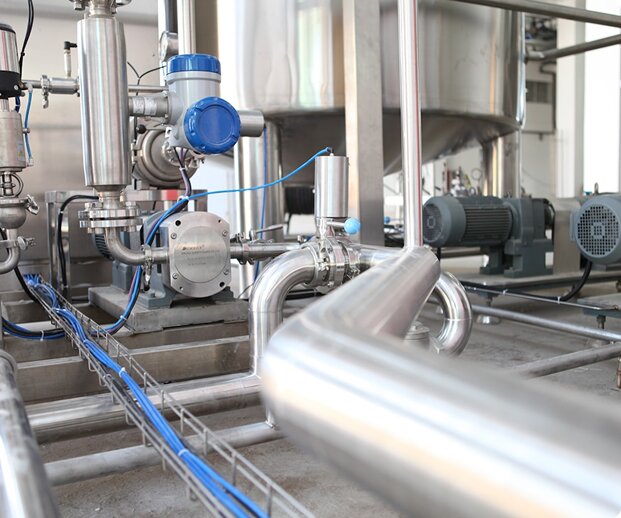
Why does modern disinfection look different?
A modern approach to microbiology control is based on systematic actions, rather than solely reacting to an emerging problem.
Technologies that allow are becoming increasingly important:
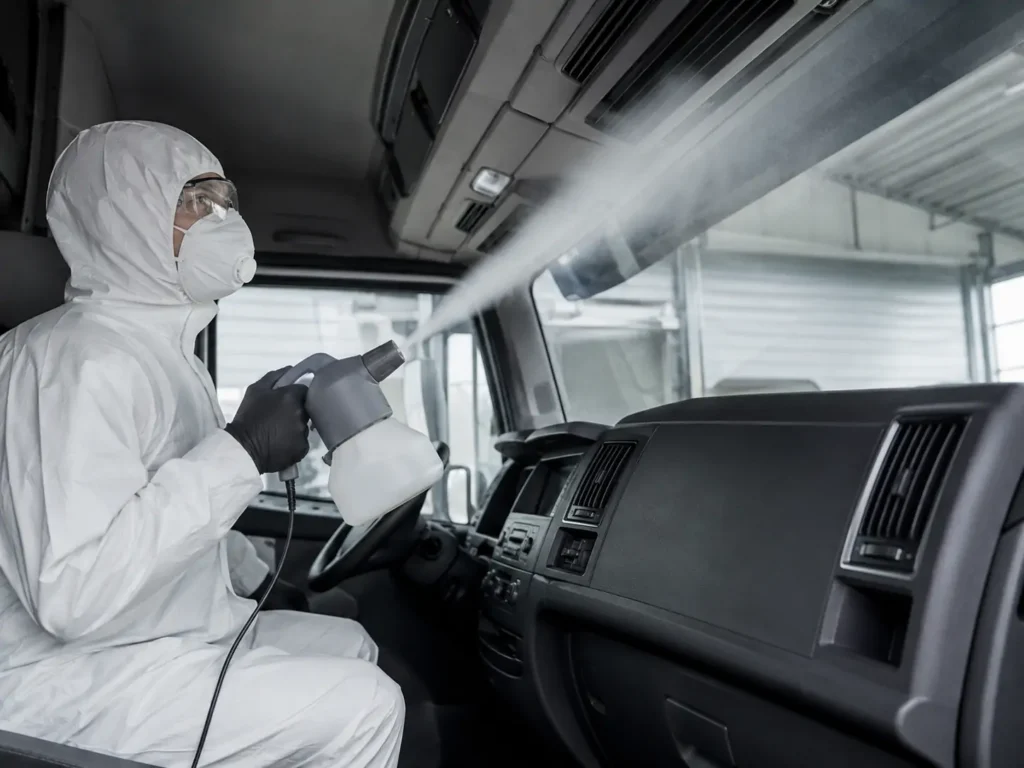
- penetrate the biofilm structure,
- reach hard-to-access spaces,
- stabilise microbiological conditions,
- to limit the regrowth of microorganisms,
- to encompass control of the entire installation's working environment.
This is why professional disinfection is increasingly becoming an element of a broader biosecurity strategy.
Where does the problem occur most frequently?
Ineffective disinfection is particularly common with:
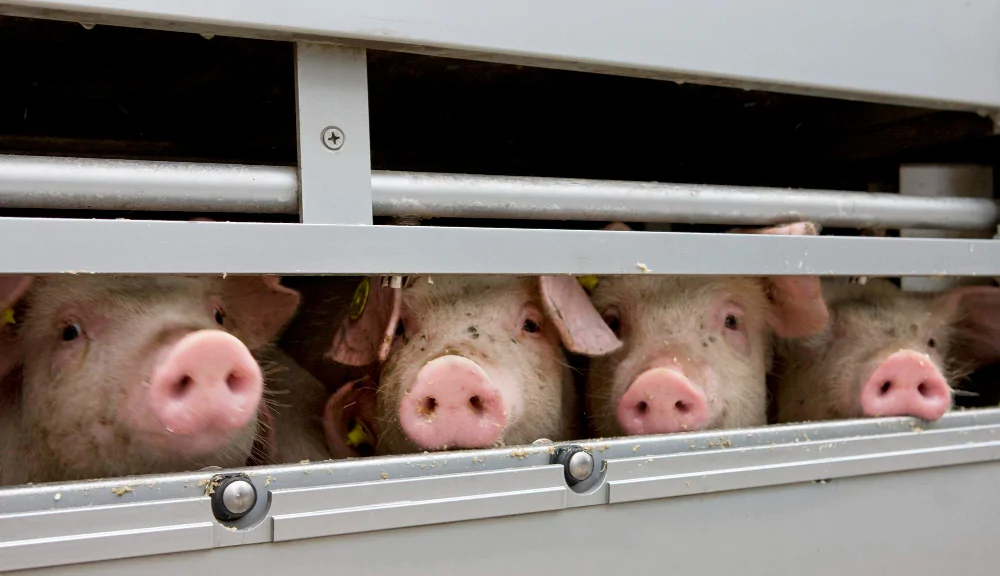
- animal production,
- food processing,
- the beverage and brewing industry,
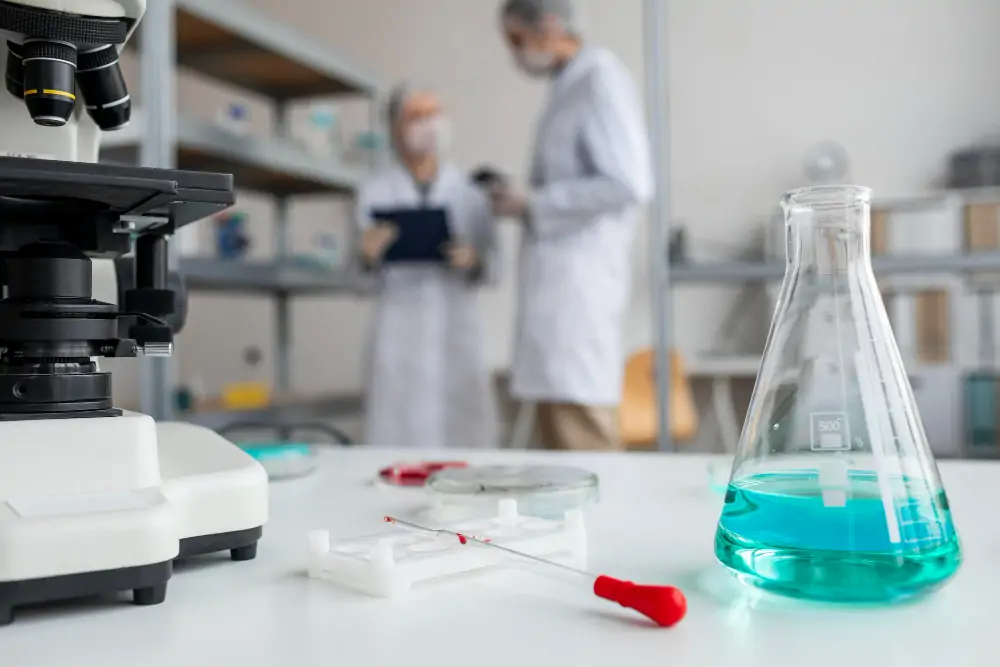
- pharmacy and medicine,
- logistics,
- water systems,
- industrial installations.
It is precisely there that even minor microbiological problems can impact production safety, process quality, and the stability of the entire facility.
The most important
Standard disinfection often:
- It only works on the surface.,
- it doesn't remove biofilm,
- it does not cover the entire environment,
- does not eliminate the source of the microbiological problem.
Effective microbiology control requires:
- risk analysis,
- using appropriately chosen technology,
- biofilm control,
- a systematic approach to biosafety.
Summary
Regular disinfection does not always mean effective microbiology control.
In many cases, the problem develops inside the installation, beyond the reach of standard cleaning and disinfection methods.
This is why a modern approach to biosecurity focuses not only on eliminating microorganisms, but primarily on identifying and limiting the source of the problem.
This is why professional microbiology control is increasingly becoming a strategic process, rather than solely an interventionary one.