Surface disinfection for the drinks and brewing industries

The quality of a product depends on the environment in which it is produced

In the drinks and brewing industries, even minor microbiological contamination can affect process safety, product stability and quality consistency.

Sanitised water meter

150010

m2 secure areas

Estimated figures based on supported installations

Why does simply rinsing with water

not solve the biofilm problem?

In the beverage and brewing industry, biofilm can develop on surfaces, in processing lines, CIP zones, and hard-to-reach areas. Standard cleaning methods often only address surface-level issues and fail to remove the source of contamination. EHT disinfection covers production surfaces and spaces, limiting biofilm and the risk of re-contamination.

Why is standard disinfection not always sufficient?

In production environments, microorganisms can develop:
  • in biofilm,
  • technological systems,
  • CIP area,
  • in structural gaps,
  • and in hard-to-reach areas for standard cleaning.

Surface disinfection often eliminates only the visible problem, without removing the source of microbiological contamination.

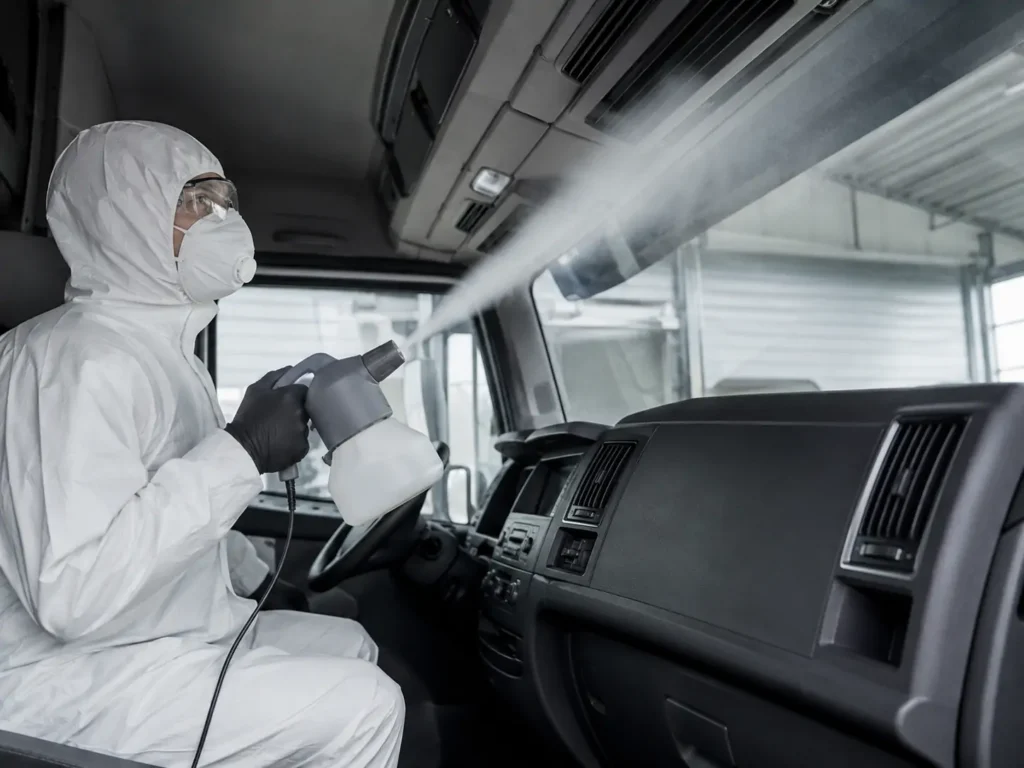
The EHT technology, based on ClO₂ and ULV fogging, effectively covers both surfaces and production spaces in the disinfection process, reducing the risk of recontamination.

Standard disinfection

It primarily works on a spot basis and may not cover: hard-to-reach spaces, infrastructure elements, technological installations, areas outside the range of manual application.

Disinfection
EHT

It utilises ClO₂ technology and ULV systems to effectively control microbiology and eliminate biofilm throughout the production environment.

Every industry faces different challenges. We tailor our solutions accordingly.

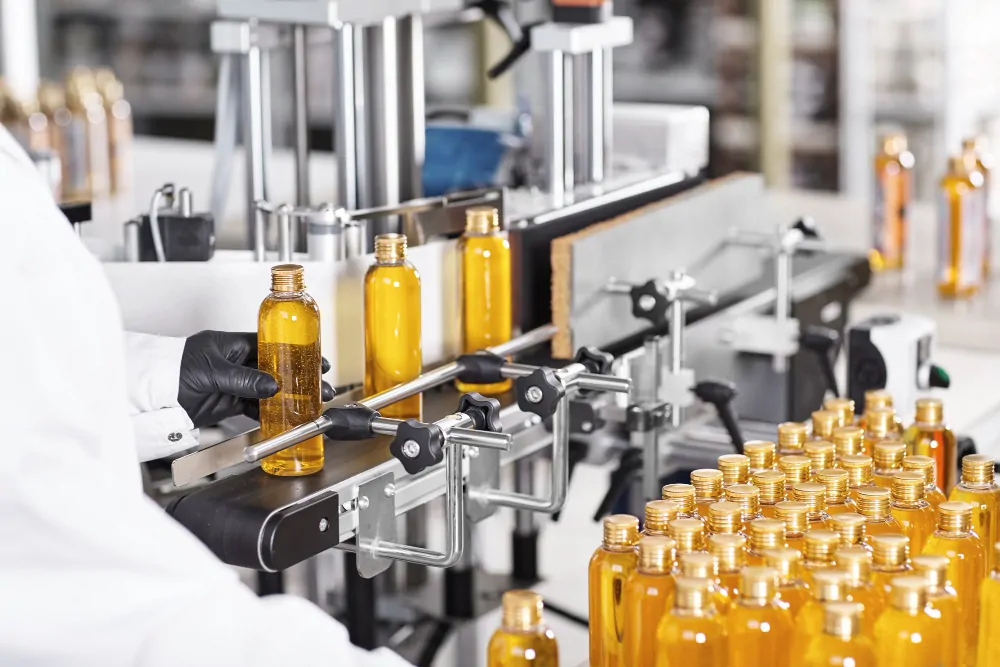
Production line
and bottling

Microorganisms present on surfaces and installation components can affect the quality and stability of the final product.

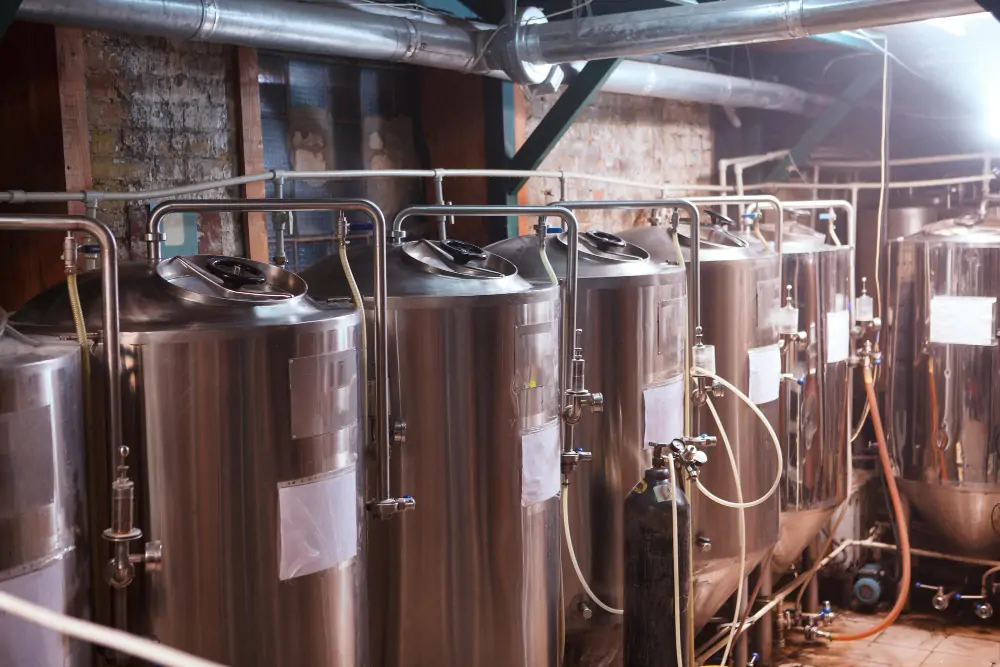
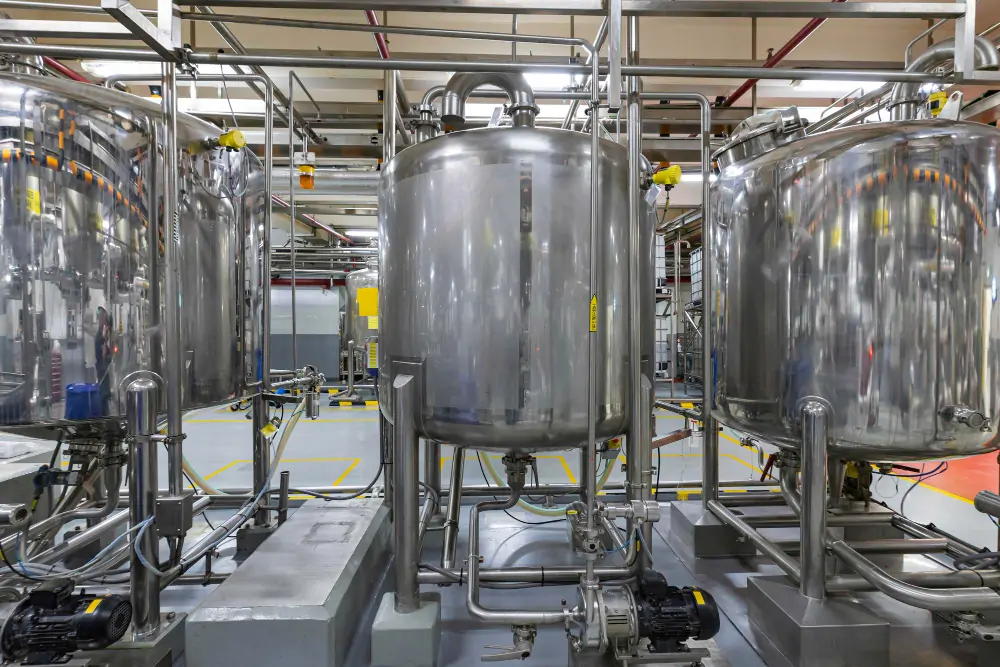
Technological systems and CIP

Biofilm formation within installations increases the risk of recurrent contamination and destabilisation of the production process.

Hard-to-reach production spaces

Structural elements, ventilation systems and confined spaces require technologies beyond standard cleaning methods.

Objects requiring continuous production

The disinfection process must be effective, safe, and adapted to the plant's work schedule.

What are the benefits of EHT technology?

More stable production quality: Effective microbiology control helps maintain product safety and consistency.

Effective biofilm eradication: Removing the source of recurring microbiological contamination in the production environment.

Reaching hard-to-access areas ULV technology allows for the disinfection of spaces inaccessible to standard application methods.

Reduced risk of downtime and losses Controlling microbiological hazards supports the continuity of production processes.

Process tailored to the plant: We select the technology and operating parameters according to the production specifics and the level of biological risk.

What does the EHT microbiological testing process involve?

Risk and production environment analysis

We assess the level of microbiological hazards, critical areas and places with increased risk of biofilm development.

Selection of technology and process parameters

We design a disinfection process tailored to the type of installation, the nature of production, and the operational requirements of the plant.

Disinfection process implementation

We carry out professional disinfection of surfaces and spaces using ClO₂ and ULV technology.

Effectiveness check and recommendations

We are verifying the effectiveness of the process and preparing recommendations to support the maintenance of high production hygiene standards.

Disinfection is a reaction.

Microbiological control is a strategy.

Disinfection as an emergency measure

Implemented in the case of:

  • detection of contamination,
  • quality problems,
  • recurrence of micro-organisms,
  • the need for rapid production safeguarding.

The aim of the process is to mitigate the threat and restore safe production conditions.

Preventative disinfection

Regular support activities:

  • stable microbiology of the production environment,
  • risk of contamination limitation,
  • product safety,
  • plant's operational continuity,
  • maintaining high hygiene standards.

Modern disinfection is not solely about reacting. It's about building an environment where microbiological threats have limited opportunities to thrive.

Modern disinfection is not just about reacting. It's about building an environment where microbiological threats have limited opportunities to develop.

CUSTOMERS

They placed their trust in us

Feedback

Customer testimonials

We have earned the trust of customers for whom hygiene, safety and process efficiency are of paramount importance.

ABOUT US

Over 15 years’ experience
in biosafety

15+

experience in international markets.

1000+

implementations carried out in industrial systems.

20

countries served
(Poland, Scandinavia, the Baltic States, Western Europe).

QUALIFICATIONS

Quality confirmed by tests and certificates

The effectiveness of our solutions is confirmed by research, approvals, and certificates recognised in demanding industries.

Certificates

OMRI Listed®

Organic Materials Review Institute

Health Certificate

National Institute of Public Health (PZH)
– State Research Institute

ISO 9001:2015

The Certification Body of TÜV SÜD America Inc.

Stay up to date

Knowledge base

Technological novelties, trade fair reports, and our latest achievements

FAQ

You most often ask

Why is standard disinfection not always sufficient?

Standard disinfection often works on a spot basis and may not cover hard-to-reach spaces, structural gaps, infrastructure elements, CIP zones, and areas beyond manual application.

EHT disinfection utilises ClO₂ technology and ULV fogging, allowing it to cover both surfaces and production spaces, supporting effective microbiology control.

The process may include production and bottling lines, technological surfaces, CIP zones, hard-to-reach production spaces, infrastructure elements and facilities requiring production continuity.

Disinfection helps to limit biofilm, secondary infections, re-contamination, quality issues, and the risk of downtime and production losses.

Yes. Disinfection can be an intervention after contamination has been detected, but also a preventive measure, supporting a stable production environment microbiology and high hygiene standards.

Book a water audit

We’ll get in touch if you leave your phone number or email address