Sanitisation of water systems for the drinks and brewing industries

We safeguard product quality right from the process water stage

We minimise biofilm and the risk of microbiological contamination in water systems, which have a direct impact on process stability.

Sanitised water meter

19950009

litres per month

Estimated figures based on supported installations

Biofilm developing in water systems, process lines, and CIP systems can affect microbiological stability, taste, smell, and the shelf life of the final product.

At W EHT, we carry out professional sanitation of water and process installations for the beverage and brewing industry, reducing biofilm, microorganisms, and the risk of secondary process contamination.

Simply rinsing
with water

It only removes loose contamination from the installation, but does not solve the problem of biofilm, which can remain in pipelines, tanks and hard-to-reach places.

Sanitisation
EHT

It breaks down biofilm structure, limits environmental bacteria, unwanted yeasts, and secondary contamination, supporting stable production process microbiology.

Every industry faces different challenges. We tailor our solutions accordingly.

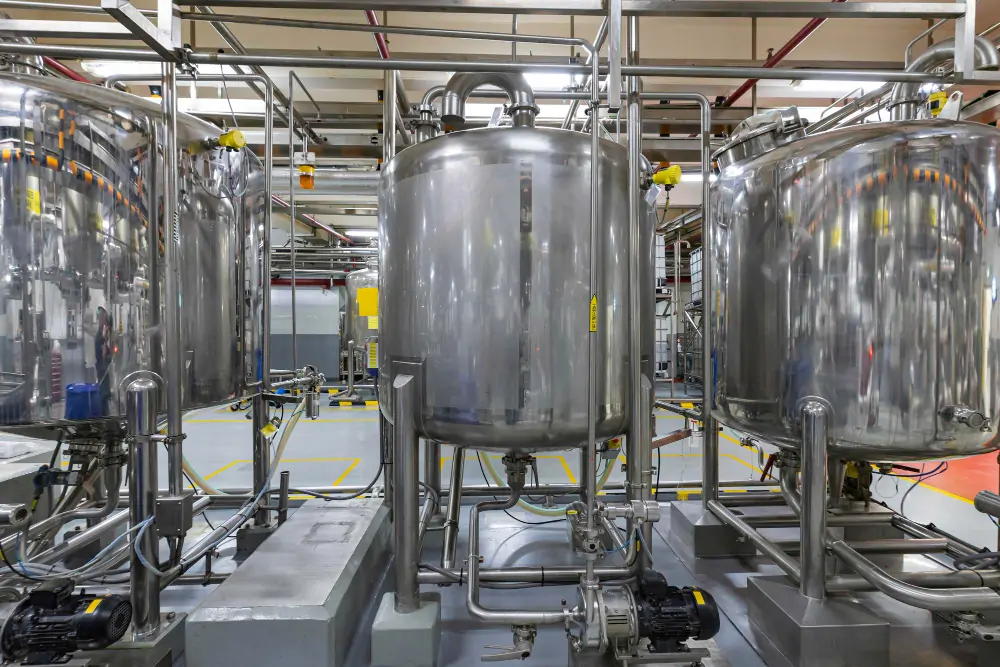
Production and technological installations
Stable microbiology of lines, pipelines and process systems

Elimination of biofilm
and microorganisms 
in water systems, 
which promotes animal health 
and reduces the risk of infection and antibiotic use.

CIP Systems
More effective cleaning and hygiene control of installations

The process supports the effectiveness of CIP washing, reduces biofilm in hard-to-reach areas, and helps maintain the hygienic stability of the systems.

Beverage production
Microbiological safety and product shelf-life

Biofilm and environmental bacteria control limits the risk of changes in the taste, smell, and quality of beverages during production.

Brewing
Stability of fermentation and repeatability of quality

Sanitisation helps to limit unwanted yeasts, Lactobacillus and other microorganisms that can affect the fermentation process and the shelf life of beer.

Process vessels and tanks
Limiting secondary contamination at key installation points

The process supports the elimination of biofilm, environmental bacteria and sources of infection in tanks, containers and fluid distribution systems.

Production of ice and technological water
Cleaner water systems used in production

Sanitation supports the microbiological control of process water, cooling systems, ice production, and auxiliary installations.

What are the benefits of our sanitisation service?

Biofilm limitation in installations: Sanitisation helps remove biofilm from production lines, pipelines, tanks, and process fluid distribution systems.

More stable process microbiology: Microbiological control of the installation limits the risk of developing environmental bacteria, unwanted yeasts, and technological infections.

End product quality support Microbiologically clean installations help maintain a repeatable taste, aroma, shelf life, and safety of beverages and brewing products.

More effective CIP system operation: Sanitisation supports washing processes, reduces biofilm in hard-to-reach areas and helps maintain hygienic stability of the installation.

Reduced risk of secondary contamination: Eliminating sources of contamination in installations reduces the risk of recurring microbiological problems in subsequent production stages.

Reducing downtime and complaints More stable hygiene conditions help reduce the risk of quality issues, production losses, and unplanned plant shutdowns.

The sanitisation process, step by step

Analysis of the installation and contamination

We identify the presence of biofilm and the level of microbiological contamination. We collect water samples and carry out tests to determine the scale of the problem and select appropriate process parameters.

Selection of process parameters

We are selecting the concentration and application conditions for chlorine dioxide (ClO₂). We take into account the specifics of the installation, flow rates, and technological requirements.

Sanitisation implementation

We are carrying out a biofilm elimination process in the installation. Sanitisation is performed under the supervision of engineers, without the need for long production downtimes.

Effectiveness verification

We confirm the results of the process with microbiological testing. We perform swabs and ATP tests to confirm the elimination of biofilm and the effectiveness of sanitisation.

CASE STUDY

Sanitisation in practice

Restoring the microbiological safety of domestic hot water installations
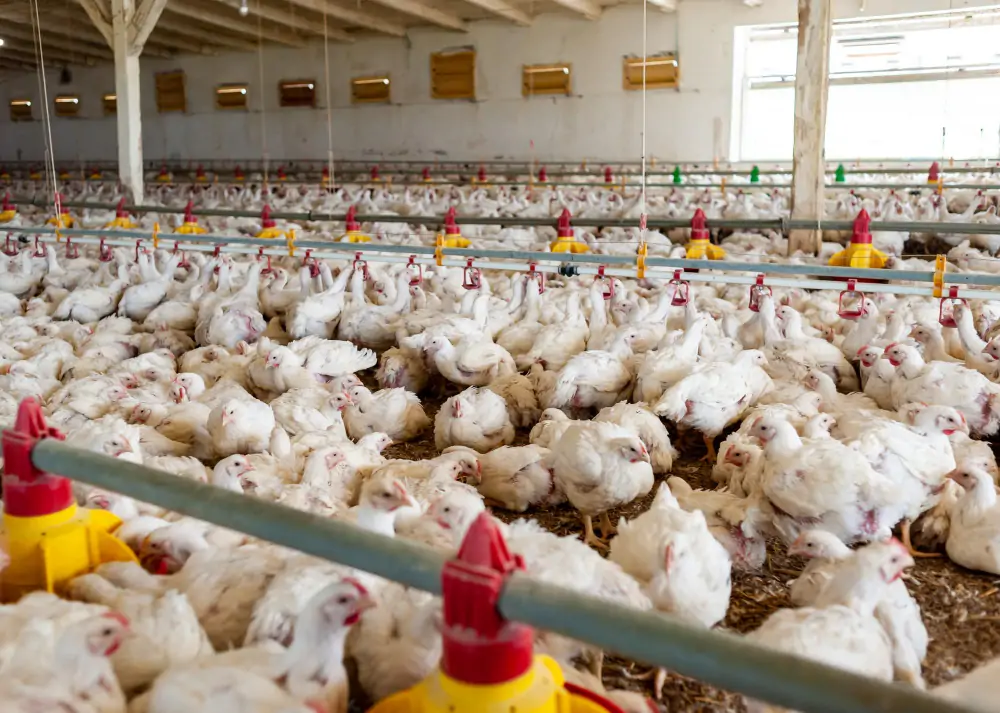
Water sanitisation in laying hen production
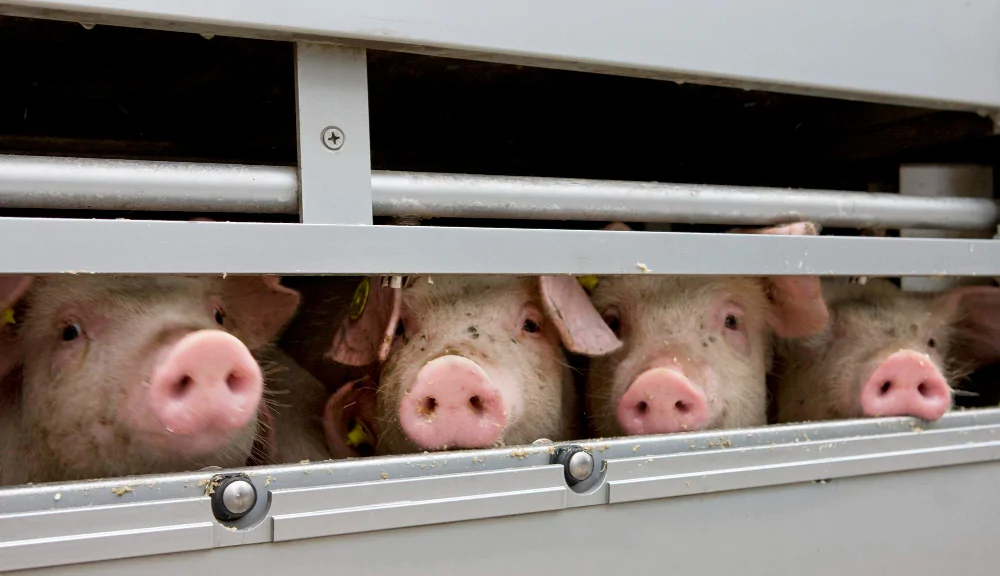
Water hygiene in pig farming
Water sanitisation in pig fattening - large-scale farm

Object

State primary school, Opole Voivodeship.

Challenge

In the domestic hot water installation, a microbiological problem was identified, which despite
the earlier remedial attempts remained unresolved. The situation required action
quick, precise, and well-controlled.

Scope of work

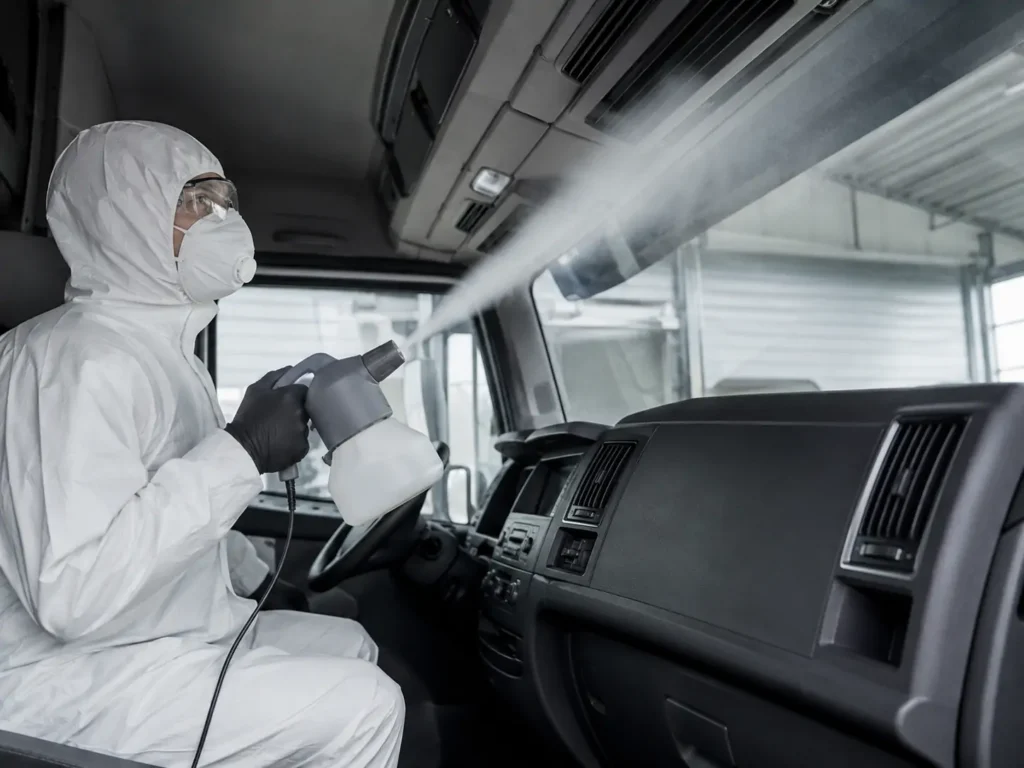
EHT Poland conducted an assessment of the technical and microbiological status of the installation, prepared and implemented a disinfection procedure, introduced the disinfectant solution into the installation with control of the preparation's reach to all sampling points, maintained the correct contact time, and finally flushed the installation.

Effects

  • Effective elimination of microbiological contamination – confirmed by post-service water testing
  • Test result: no presence of Legionella bacteria (0 cfu)
  • A solution to a problem that remained unsolved by previous methods.
  • Work carried out in an organised, effective and safe manner for a public utility facility

Customer feedback

„The company demonstrated practical knowledge, responsibility, and effectiveness in a situation requiring swift and well-controlled actions.”

Headteacher, Public Primary School, Strzelce Opolskie

Farm

Laying hen farm, Masovian Voivodeship. Cooperation from April 2025.

Challenge

Before implementation, the water installation required frequent operational interventions, and the microbial quality of the water varied during the production cycle. Intestinal problems in the herd and unpredictable operation of the drinkers reduced production stability.

Implementation

EHT Poland provides ongoing care for the farm's water installation. The cooperation includes regular monitoring of water quality, maintaining the hygiene of the drinking lines, and ongoing technical support. Visits are carried out systematically, measurements are taken regularly, and recommendations are communicated in a clear and practical way for the staff.

Effects

  • Permanent removal of biofilm from drinking water systems
  •  Stable water microbiology throughout the entire length of the line
  • Uniform operation of drinkers and no clogging
  • Reducing intestinal problems in the flock
  • Improving the repeatability of production results
  • Greater predictability of farm staff work

Customer feedback

„The collaboration is being carried out in a reliable and professional manner, and ongoing technical supervision will help to stabilise the operation of the water system and improve production safety.”

Free-range laying hen farm owner, Masovian Voivodeship

Farm

Pig production in a closed-cycle system — 100 sows, approx. 1,100 fattening pigs per year.

Challenge

The watering system needed improving — the presence of biofilm and unsatisfactory microbiological parameters of the water were leading to health problems in the animals: gastrointestinal disorders, weight loss during fattening and prolonged fattening periods.

Implementation

EHT Poland conducted a water quality assessment and drinking installation check, and subsequently implemented continuous sanitisation using ProOxine® technology (chlorine dioxide). The process involved multiple service visits with concentration measurements, system performance evaluation, and microbiological water testing.

Effects

  • Biofilm elimination throughout the drinking water installation
  • Improvement in the microbiological parameters of water — confirmed by tests
  • Increase in feed intake - first in sows, then in fattening pigs
  • Significant reduction in the fattening period
  • Reduction in falls caused by gastrointestinal problems
  • Easier, more stable control of the drinking system's cleanliness

Customer feedback

„The greatest value was the improved control over water hygiene and practical technical support. The solution was implemented in real production conditions, taking into account the specific characteristics of the farm and the production cycle.”

Farm owner, closed-cycle pig production

Farm

Pig fattening farm – approx. 2,000 fattening pigs per cycle.

Challenge

The farm required an improvement in water hygiene standards and quality control of the drinking-water installation. The aim was to reduce mortality, eliminate biofilm and anaerobic bacteria, and stabilise production throughout the cycle.

Implementation

EHT Poland conducted an audit of the water installation, implemented a water hygiene system based on ProOxine® technology, and provided constant supervision over water quality parameters and the cleanliness of the drinking lines throughout the entire production cycle.

Effects

  • Decrease in falls compared to the previous production cycle
  • Very good microbiological results for the water - no abnormalities
  • Absence of biofilm in drinking lines – confirmed by technical installation assessment
  • High and stable ORP level of the water throughout the cycle
  • Elimination of anaerobic bacteria in the water system
  • No clogging of the nipple drinkers
  • Stabilising the production process during the cycle
  • No need to clean and disinfect the watering lines thanks to the system’s constant hygiene standards
  • Improving the working comfort of farm staff

Customer feedback

„We regard our collaboration with EHT Poland as professional, well-organised and based on measurable criteria. The company provides practical technical support and consistently demonstrates the results achieved on the farm.”

Rafał Gawlica, Gawlica Agricultural Farm, Brzeżce

Object

State primary school, Opole Voivodeship.

Challenge

In the domestic hot water installation, a microbiological problem was identified, which despite
the earlier remedial attempts remained unresolved. The situation required action
quick, precise, and well-controlled.

Scope of work

EHT Poland conducted an assessment of the technical and microbiological status of the installation, prepared and implemented a disinfection procedure, introduced the disinfectant solution into the installation with control of the preparation's reach to all sampling points, maintained the correct contact time, and finally flushed the installation.

Effects

  • Effective elimination of microbiological contamination – confirmed by post-service water testing
  • Test result: no presence of Legionella bacteria (0 cfu)
  • A solution to a problem that remained unsolved by previous methods.
  • Work carried out in an organised, effective and safe manner for a public utility facility

Customer feedback

„The company demonstrated practical knowledge, responsibility, and effectiveness in a situation requiring swift and well-controlled actions.”

Headteacher, Public Primary School, Strzelce Opolskie

Farm

Laying hen farm, Masovian Voivodeship. Cooperation from April 2025.

Challenge

Before implementation, the water installation required frequent operational interventions, and the microbial quality of the water varied during the production cycle. Intestinal problems in the herd and unpredictable operation of the drinkers reduced production stability.

Implementation

EHT Poland provides ongoing care for the farm's water installation. The cooperation includes regular monitoring of water quality, maintaining the hygiene of the drinking lines, and ongoing technical support. Visits are carried out systematically, measurements are taken regularly, and recommendations are communicated in a clear and practical way for the staff.

Effects

  • Permanent removal of biofilm from drinking water systems
  •  Stable water microbiology throughout the entire length of the line
  • Uniform operation of drinkers and no clogging
  • Reducing intestinal problems in the flock
  • Improving the repeatability of production results
  • Greater predictability of farm staff work

Customer feedback

„The collaboration is being carried out in a reliable and professional manner, and ongoing technical supervision will help to stabilise the operation of the water system and improve production safety.”

Free-range laying hen farm owner, Masovian Voivodeship

Farm

Pig production in a closed-cycle system — 100 sows, approx. 1,100 fattening pigs per year.

Challenge

The watering system needed improving — the presence of biofilm and unsatisfactory microbiological parameters of the water were leading to health problems in the animals: gastrointestinal disorders, weight loss during fattening and prolonged fattening periods.

Implementation

EHT Poland conducted a water quality assessment and drinking installation check, and subsequently implemented continuous sanitisation using ProOxine® technology (chlorine dioxide). The process involved multiple service visits with concentration measurements, system performance evaluation, and microbiological water testing.

Effects

  • Biofilm elimination throughout the drinking water installation
  • Improvement in the microbiological parameters of water — confirmed by tests
  • Increase in feed intake - first in sows, then in fattening pigs
  • Significant reduction in the fattening period
  • Reduction in falls caused by gastrointestinal problems
  • Easier, more stable control of the drinking system's cleanliness

Customer feedback

„The greatest value was the improved control over water hygiene and practical technical support. The solution was implemented in real production conditions, taking into account the specific characteristics of the farm and the production cycle.”

Farm owner, closed-cycle pig production

Farm

Pig fattening farm – approx. 2,000 fattening pigs per cycle.

Challenge

The farm required an improvement in water hygiene standards and quality control of the drinking-water installation. The aim was to reduce mortality, eliminate biofilm and anaerobic bacteria, and stabilise production throughout the cycle.

Implementation

EHT Poland conducted an audit of the water installation, implemented a water hygiene system based on ProOxine® technology, and provided constant supervision over water quality parameters and the cleanliness of the drinking lines throughout the entire production cycle.

Effects

  • Decrease in falls compared to the previous production cycle
  • Very good microbiological results for the water - no abnormalities
  • Absence of biofilm in drinking lines – confirmed by technical installation assessment
  • High and stable ORP level of the water throughout the cycle
  • Elimination of anaerobic bacteria in the water system
  • No clogging of the nipple drinkers
  • Stabilising the production process during the cycle
  • No need to clean and disinfect the watering lines thanks to the system’s constant hygiene standards
  • Improving the working comfort of farm staff

Customer feedback

„We regard our collaboration with EHT Poland as professional, well-organised and based on measurable criteria. The company provides practical technical support and consistently demonstrates the results achieved on the farm.”

Rafał Gawlica, Gawlica Agricultural Farm, Brzeżce

CUSTOMERS

They placed their trust in us

Feedback

Customer testimonials

We have earned the trust of customers for whom hygiene, safety and process efficiency are of paramount importance.

ABOUT US

Over 15 years’ experience
in biosafety

15+

experience in international markets.

1000+

implementations carried out in industrial systems.

20

countries served
(Poland, Scandinavia, the Baltic States, Western Europe).

QUALIFICATIONS

Quality confirmed by tests and certificates

The effectiveness of our solutions is confirmed by research, approvals, and certificates recognised in demanding industries.

Certificates

OMRI Listed®

Organic Materials Review Institute

Health Certificate

National Institute of Public Health (PZH)
– State Research Institute

ISO 9001:2015

The Certification Body of TÜV SÜD America Inc.

Stay up to date

Knowledge base

Technological novelties, trade fair reports, and our latest achievements

FAQ

You most often ask

Why is system sanitisation important in the production of soft drinks and beer?

In water installations, technological lines and CIP systems, biofilm can develop, favouring secondary contamination and affecting the microbiological stability of the process. In the beverage and brewing industries, this can have an impact on the taste, smell, shelf life and consistency of product quality.

Not always. Standard rinsing or washing can remove loose contamination, but biofilm often persists inside pipelines, tanks, CIP systems, and hard-to-reach parts of the installation. EHT sanitisation supports its elimination and reduces the risk of re-contamination.

The process may include, among others, technological lines, pipelines, tanks, process vessels, CIP systems, process water installations, cooling systems and systems used in ice production.

The most common threats include technological biofilm, unwanted yeasts, environmental bacteria, Lactobacillus, Pseudomonas, and secondary contamination of the plant.

Sanitisation supports more stable process microbiology, reduces biofilm, lowers the risk of secondary contamination, improves product safety, and helps maintain production consistency.

Book a water audit

We’ll get in touch if you leave your phone number or email address