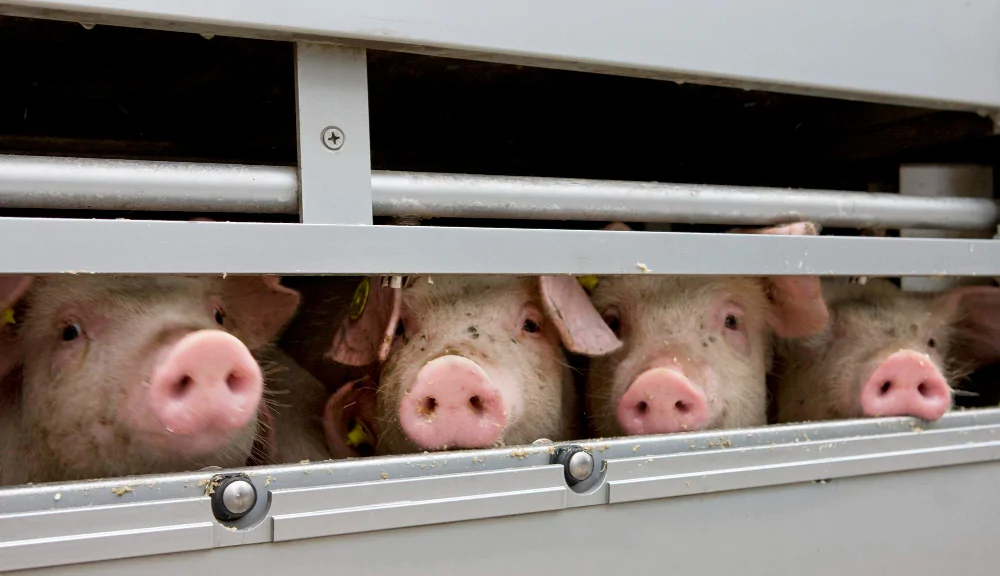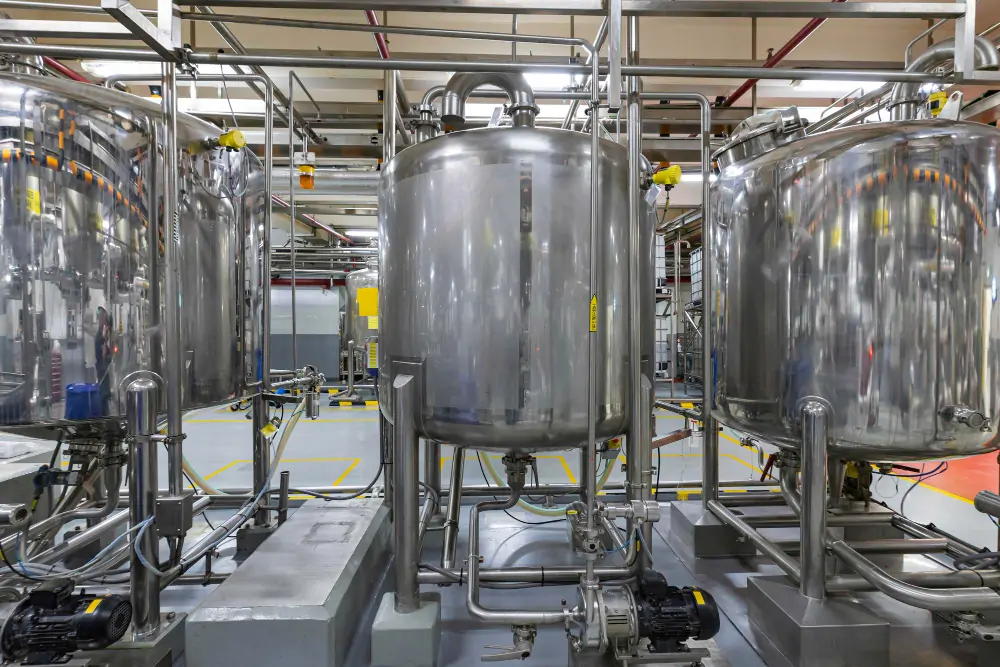

However, increasingly more modern production plants, farms and industrial facilities are switching to a model of preventative microbiology control — focused on limiting risks before a real threat emerges.
We explain the differences between the two approaches and why modern biosecurity increasingly relies on preventative measures.
Disinfection carried out in response to a specific event or situation, such as an outbreak or contamination.
Intervention disinfection is carried out in response to a specific microbiological problem or a crisis situation.
It is most commonly implemented in cases of:
- contamination detection,
- deterioration of microbiological results,
- production quality issues,
- outbreaks of disease or infection,
- presence of biofilm,
- the necessity of quickly securing the object.
Its main objective is to quickly limit the threat and restore safe working conditions for the installation or facility.
Intervention disinfection is often necessary, however in practice it very often means that the microbiological problem has already impacted process safety.

When may intervention not be sufficient?
In many cases, the source of a problem develops long before the first visible symptoms appear.
This particularly applies to situations associated with:
- biofilm,
- plumbing installations,
- watering systems,
- technological lines,
- with wet zones,
- inaccessible infrastructure spaces.
Microorganisms can develop for a long time within systems, remaining unseen during standard inspection.
In practice, this means that:
- The problem may return regularly.,
- contamination may cover further areas,
- Biofilm can reform after ineffective disinfection,
- The costs of remedial actions increase over time.
That is why a preventative approach is becoming increasingly important.
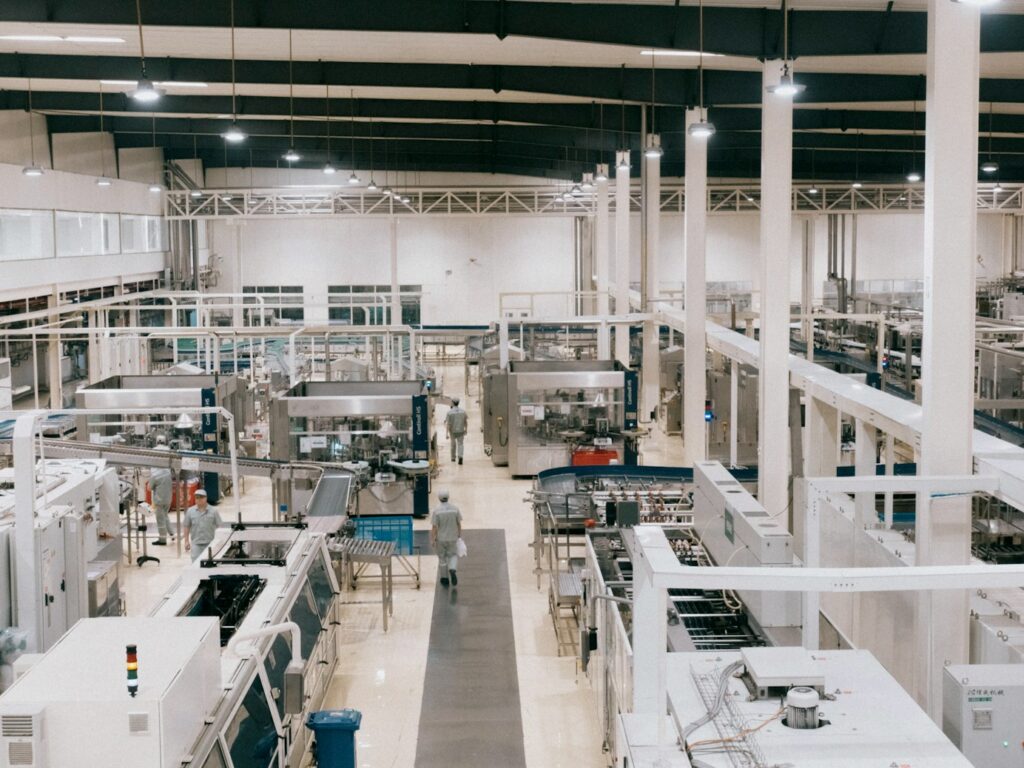
Disinfection conducted as a preventive measure.
Preventative disinfection is not a reaction to a crisis. It is an element of systemic microbiology control aimed at limiting the risk of biological threats developing before a problem arises.
The preventive approach includes, among other things:
- regular microbiological control,
- risk analysis,
- monitoring of installations and surfaces,
- biofilm inhibition,
- the stabilisation of hygiene conditions,
- planning disinfection activities according to the specific nature of the facility.
The aim is not solely to eliminate the problem, but to create an environment where microorganisms have limited conditions for growth.
Why is the preventative approach gaining ground?
Modern production and industrial environments today require not only responding to threats, but above all, conscious management of biological risk.
The preventive approach allows for:
- limit the risk of re-contamination,
- stabilise microbiological safety,
- reduce the risk of downtime,
- Improve process safety,
- to minimise the costs of breakdowns and repair work,
- maintain a higher level of biosecurity.
In practice, this means greater predictability and stability in the operation of the entire facility.
Is interim disinfection still necessary?
Yes. In many situations, intervention measures are necessary and allow for rapid containment of microbiological hazards.
The most effective approach, however, is to combine:
- intervention activities,
- regular microbiological checks,
- risk monitoring,
- preventative measures limiting the future development of the problem.
This is precisely the model used today in modern biosecurity and process hygiene control systems.
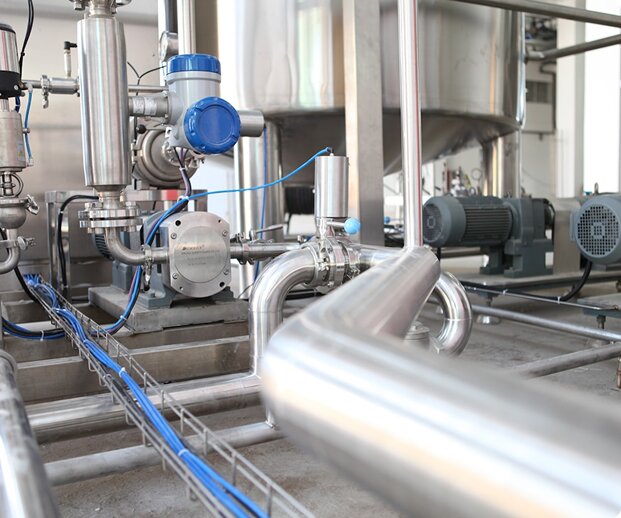
The preventative approach is most important in:
Regular microbiological control is particularly important in:
- animal production,
- in the food processing industry,
- the beverage and brewing industry,
- pharmacy and medicine,
- logistics,
- in industrial installations,
- water systems,
- in high biological risk environments.
This is where even minor microbiological issues can lead to serious operational and quality consequences.
The most important
Emergency Disinfection
- responding to an existing problem,
- mitigates the effects of the threat,
- It is often carried out in crisis situations.
Preventative disinfection:
- limits the risk before the problem even arises,
- supports stable microbiology control,
- helps maintain the continuity and security of processes.
The most effective approach is not solely reactive.
It consists of the conscious management of microbiological risk.
Summary
Modern disinfection is no longer solely an intervention carried out after a problem has arisen. The preventive approach, focused on risk reduction and the stabilisation of microbiological safety, is playing an increasingly important role.
In practice, it is the combination of:
- monitoring,
- risk analysis,
- biofilm control,
- regular preventative actions
allows for more effective protection of installations, production, people and infrastructure against biological threats.